
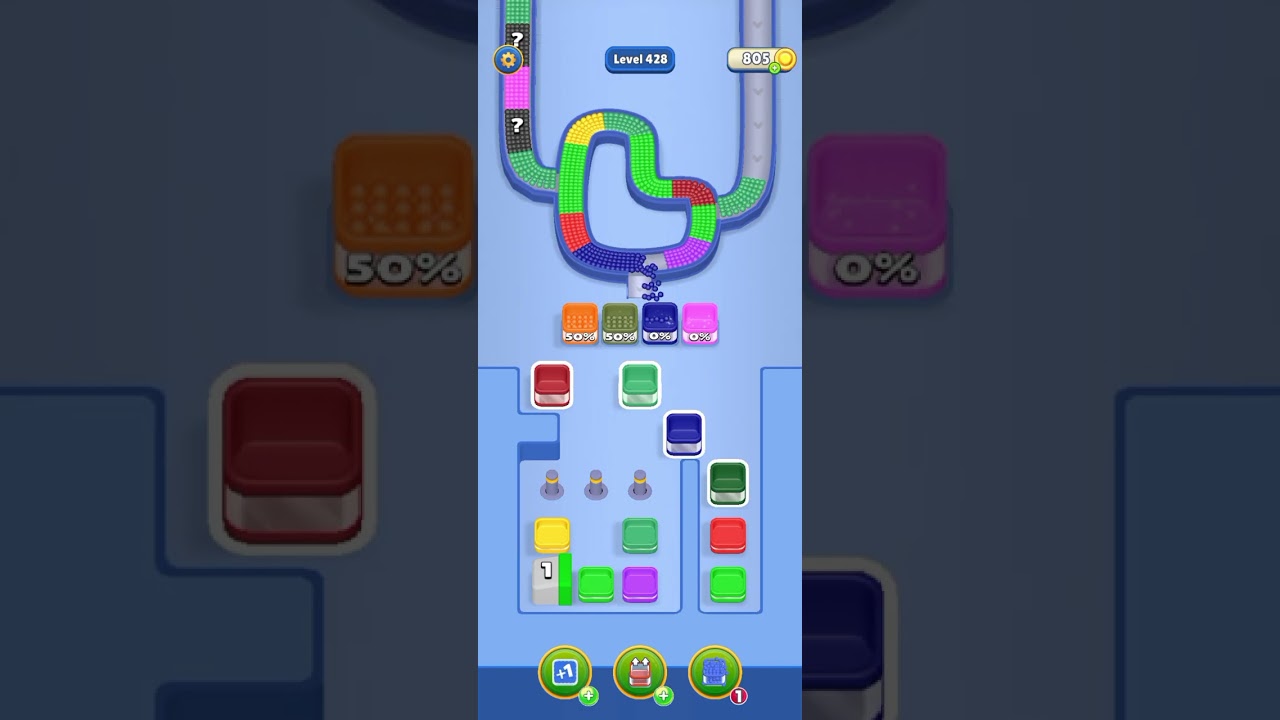
Beads Out Level 429 Guide
Level 429 looks open, but the hidden constraint is several plausible paths, but only one clean tempo. Treat it as endgame ladder execution where focus on anchor-stack protection matters most, and prioritize irreversible progress.
Level 429 looks open, but the hidden constraint is several plausible paths, but only one clean tempo. Treat it as endgame ladder execution where focus on anchor-stack protection matters most, and prioritize irreversible progress.
For this stage, the most reliable pattern is a three-phase flow: stabilize the opening, control the midgame transfer order, and finish with a strict cleanup sequence.
Opening Plan
Anchor one column and route around it instead of chasing quick matches. Hold this plan through move 8. Do not optimize this phase away.
Timing Cue
Release buffer contents in small batches, never all at once. Re-check lane ownership around move 14. One rushed move here can erase two clean cycles.
Phase 1
Anchor one column and route around it instead of chasing quick matches. Hold this plan through move 8. Do not optimize this phase away. This is your opening anchor for Level 429. If this phase is stable, the remaining route is much easier to control.
Phase 2
Release buffer contents in small batches, never all at once. Re-check lane ownership around move 14. One rushed move here can erase two clean cycles. Treat this as the rhythm checkpoint. Keep transfers steady here to avoid midgame lockups.
Phase 3
Finalize by lane priority, not by visual convenience. Keep this active in the last 11 moves. This removes most endgame variance. This is your finishing control layer. Apply it after the main stacks are stable to clean residual beads with less risk.
- • Anchor one column and route around it instead of chasing quick matches. Hold this plan through move 8. Do not optimize this phase away.
- • Release buffer contents in small batches, never all at once. Re-check lane ownership around move 14. One rushed move here can erase two clean cycles.
- • Finalize by lane priority, not by visual convenience. Keep this active in the last 11 moves. This removes most endgame variance.
- • Common trap: repeating a risky pattern after a warning stall. The board looks cleaner briefly, but recovery options disappear. If this happens, pause and reset to the previous stable board shape instead of improvising extra moves.
- • Secondary trap: ignoring checkpoint shape and drifting move by move. Stop immediately and restore the prior stable frame. If this happens, pause and reset to the previous stable board shape instead of improvising extra moves.
Treat branch handoffs as hard checkpoints with no side actions. For Level 429, keep the opener unchanged for two full attempts before altering only one transition action.
- • Step 1: replay your opening and verify first-route stability.
- • Step 2: compare midgame transfer order with the walkthrough.
- • Step 3: keep one final correction move for endgame cleanup.
Adjacent Levels

Share Beads Out Level 429 Guide
Help other players by sharing this walkthrough page.