
Beads Out Level 422 Guide
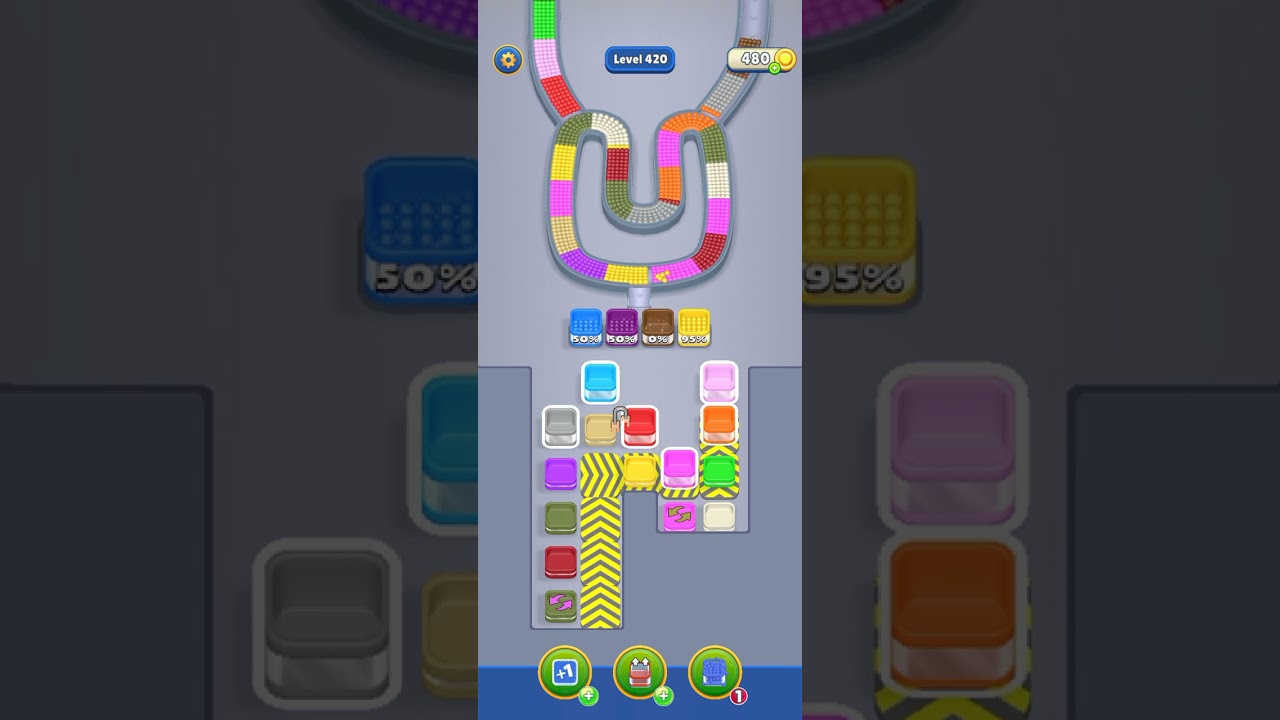
Level 422 looks open, but the hidden constraint is an endgame that demands exact order, not improvisation. Treat it as endgame ladder execution where focus on final-pass cleanup discipline matters most, and prioritize irreversible progress.
Level 422 looks open, but the hidden constraint is an endgame that demands exact order, not improvisation. Treat it as endgame ladder execution where focus on final-pass cleanup discipline matters most, and prioritize irreversible progress.
For this stage, the most reliable pattern is a three-phase flow: stabilize the opening, control the midgame transfer order, and finish with a strict cleanup sequence.
Opening Plan
Build a relay tube dedicated to cross-board handoffs. Hold this plan through move 6. This choice pays off in the last third.
Timing Cue
Refuse greedy merges that break destination readiness. Re-check lane ownership around move 13. Use this to avoid accidental reversals.
Phase 1
Build a relay tube dedicated to cross-board handoffs. Hold this plan through move 6. This choice pays off in the last third. This is your opening anchor for Level 422. If this phase is stable, the remaining route is much easier to control.
Phase 2
Refuse greedy merges that break destination readiness. Re-check lane ownership around move 13. Use this to avoid accidental reversals. Treat this as the rhythm checkpoint. Keep transfers steady here to avoid midgame lockups.
Phase 3
Finalize by lane priority, not by visual convenience. Keep this active in the last 10 moves. Treat this as your final checklist item. This is your finishing control layer. Apply it after the main stacks are stable to clean residual beads with less risk.
- • Build a relay tube dedicated to cross-board handoffs. Hold this plan through move 6. This choice pays off in the last third.
- • Refuse greedy merges that break destination readiness. Re-check lane ownership around move 13. Use this to avoid accidental reversals.
- • Finalize by lane priority, not by visual convenience. Keep this active in the last 10 moves. Treat this as your final checklist item.
- • Common trap: tapping faster when the board actually needs slower sequencing. You can spot it when lane congestion spikes unexpectedly. If this happens, pause and reset to the previous stable board shape instead of improvising extra moves.
- • Secondary trap: using the emergency lane during routine traffic. Prevent it by committing to one lane plan. If this happens, pause and reset to the previous stable board shape instead of improvising extra moves.
Leave one bailout route untouched until lock-break is done. For Level 422, keep the opener unchanged for two full attempts before altering only one transition action.
- • Step 1: replay your opening and verify first-route stability.
- • Step 2: compare midgame transfer order with the walkthrough.
- • Step 3: keep one final correction move for endgame cleanup.
Adjacent Levels


Share Beads Out Level 422 Guide
Help other players by sharing this walkthrough page.