
Beads Out Level 384 Guide
Level 384 is shaped by a narrow center funnel that punishes random side moves. In the endgame ladder bracket, late-phase conversion accuracy sets the pace, so run two distinct finish passes.
Level 384 is shaped by a narrow center funnel that punishes random side moves. In the endgame ladder bracket, late-phase conversion accuracy sets the pace, so run two distinct finish passes.
For this stage, the most reliable pattern is a three-phase flow: stabilize the opening, control the midgame transfer order, and finish with a strict cleanup sequence.
Opening Plan
Preserve shape integrity in the opener, even if progress looks slower. Hold this plan through move 8. If this part is messy, restart early.
Timing Cue
Use short confirmation moves between high-value merges. Re-check lane ownership around move 13. Treat this as a hard sequencing gate.
Phase 1
Preserve shape integrity in the opener, even if progress looks slower. Hold this plan through move 8. If this part is messy, restart early. This is your opening anchor for Level 384. If this phase is stable, the remaining route is much easier to control.
Phase 2
Use short confirmation moves between high-value merges. Re-check lane ownership around move 13. Treat this as a hard sequencing gate. Treat this as the rhythm checkpoint. Keep transfers steady here to avoid midgame lockups.
Phase 3
Avoid late cross-branch transfers unless absolutely forced. Keep this active in the last 8 moves. This is the control-first way to finish. This is your finishing control layer. Apply it after the main stacks are stable to clean residual beads with less risk.
- • Preserve shape integrity in the opener, even if progress looks slower. Hold this plan through move 8. If this part is messy, restart early.
- • Use short confirmation moves between high-value merges. Re-check lane ownership around move 13. Treat this as a hard sequencing gate.
- • Avoid late cross-branch transfers unless absolutely forced. Keep this active in the last 8 moves. This is the control-first way to finish.
- • Common trap: opening the next phase before closing the current phase. Prevent it by committing to one lane plan. If this happens, pause and reset to the previous stable board shape instead of improvising extra moves.
- • Secondary trap: unlocking deeper layers without destination planning. It usually creates a fake advantage and collapses two turns later. If this happens, pause and reset to the previous stable board shape instead of improvising extra moves.
Use slower taps in the transition window and verify each destination. For Level 384, keep the opener unchanged for two full attempts before altering only one transition action.
- • Step 1: replay your opening and verify first-route stability.
- • Step 2: compare midgame transfer order with the walkthrough.
- • Step 3: keep one final correction move for endgame cleanup.
Adjacent Levels


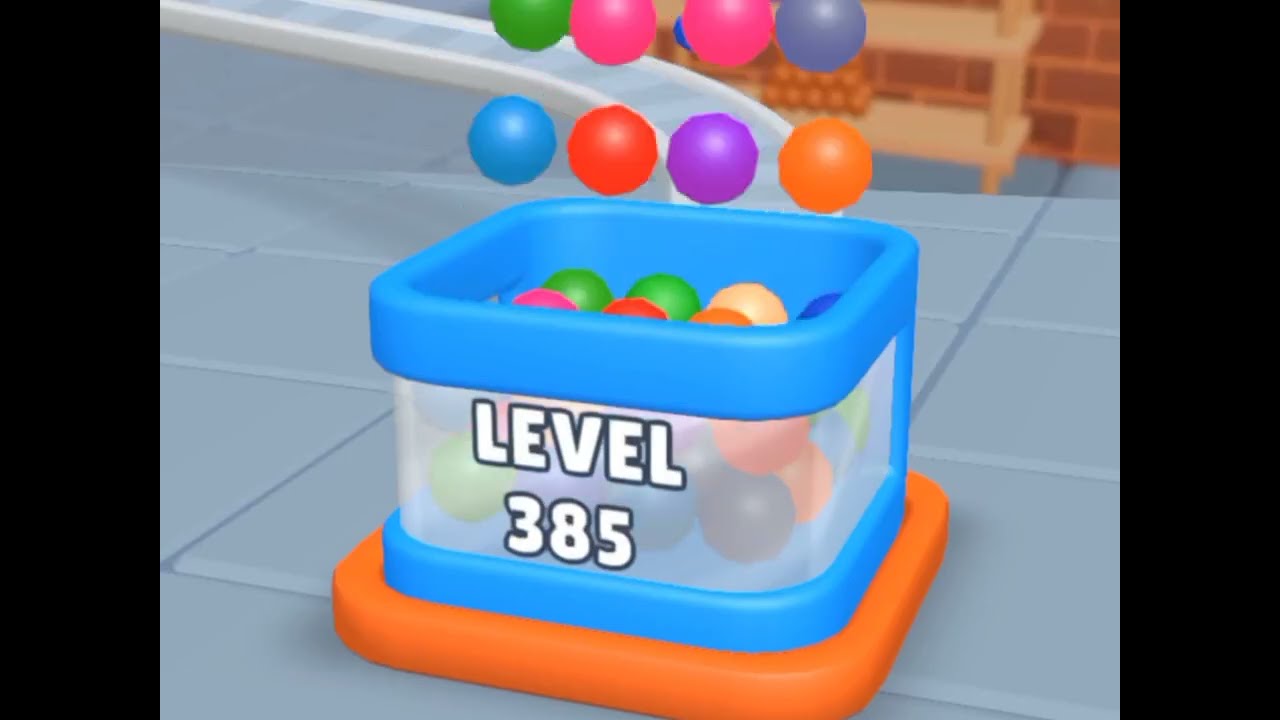

Share Beads Out Level 384 Guide
Help other players by sharing this walkthrough page.