
Beads Out Level 170 Guide
Level 170 feels tactical, but the long-term key is a finish phase where one wrong swap causes full rollback. In this advanced ladder context, prioritize route compression under pressure and avoid decorative swaps until routes are fixed.
Level 170 feels tactical, but the long-term key is a finish phase where one wrong swap causes full rollback. In this advanced ladder context, prioritize route compression under pressure and avoid decorative swaps until routes are fixed.
For this stage, the most reliable pattern is a three-phase flow: stabilize the opening, control the midgame transfer order, and finish with a strict cleanup sequence.
Opening Plan
Start from the side with fewer exits to prevent early dead ends. Hold this plan through move 4. This prevents early color drift.
Timing Cue
Re-check lane ownership before every branch unlock. Re-check lane ownership around move 11. This is the cleanest way to keep momentum.
Phase 1
Start from the side with fewer exits to prevent early dead ends. Hold this plan through move 4. This prevents early color drift. This is your opening anchor for Level 170. If this phase is stable, the remaining route is much easier to control.
Phase 2
Re-check lane ownership before every branch unlock. Re-check lane ownership around move 11. This is the cleanest way to keep momentum. Treat this as the rhythm checkpoint. Keep transfers steady here to avoid midgame lockups.
Phase 3
Use short confirm moves between endgame merges. Keep this active in the last 10 moves. This keeps solved lanes truly solved. This is your finishing control layer. Apply it after the main stacks are stable to clean residual beads with less risk.
- • Start from the side with fewer exits to prevent early dead ends. Hold this plan through move 4. This prevents early color drift.
- • Re-check lane ownership before every branch unlock. Re-check lane ownership around move 11. This is the cleanest way to keep momentum.
- • Use short confirm moves between endgame merges. Keep this active in the last 10 moves. This keeps solved lanes truly solved.
- • Common trap: splitting one key color across too many temporary slots. Most failed clears on this level include this pattern. If this happens, pause and reset to the previous stable board shape instead of improvising extra moves.
- • Secondary trap: tapping faster when the board actually needs slower sequencing. It burns your emergency move too early. If this happens, pause and reset to the previous stable board shape instead of improvising extra moves.
Endgame failures usually start midgame; fix sequencing earlier. For Level 170, keep the opener unchanged for two full attempts before altering only one transition action.
- • Step 1: replay your opening and verify first-route stability.
- • Step 2: compare midgame transfer order with the walkthrough.
- • Step 3: keep one final correction move for endgame cleanup.
Adjacent Levels

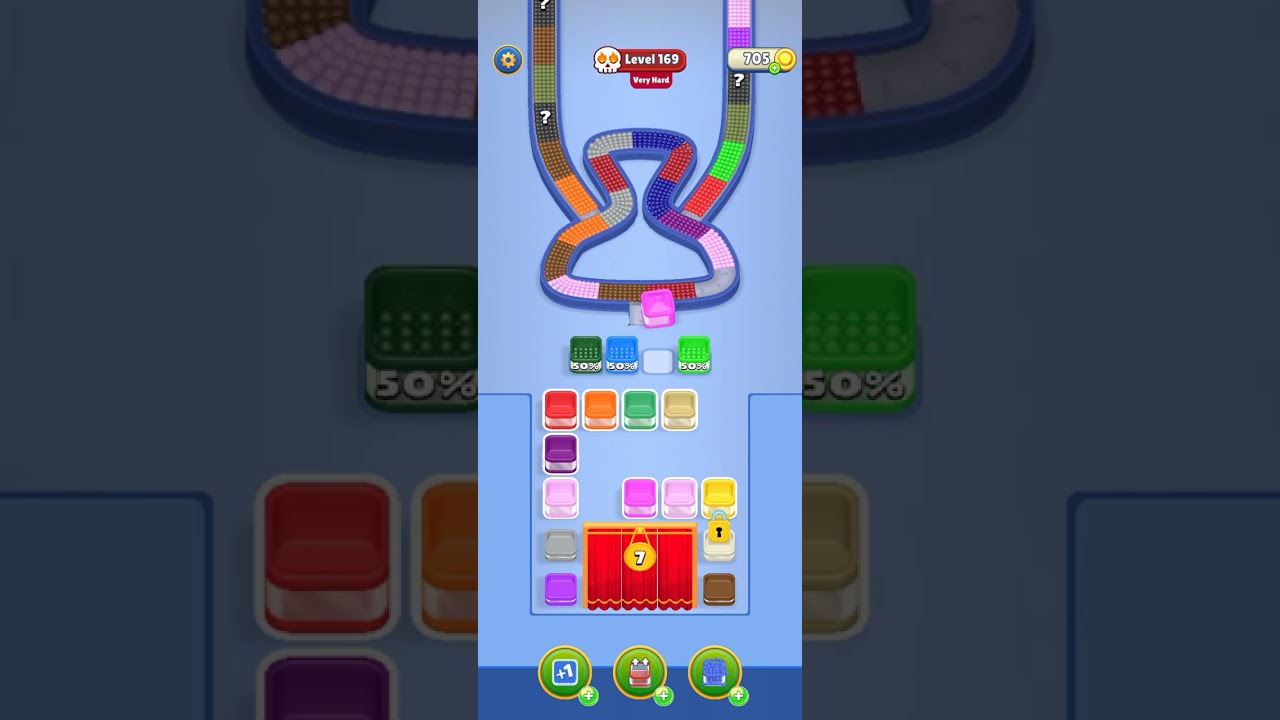
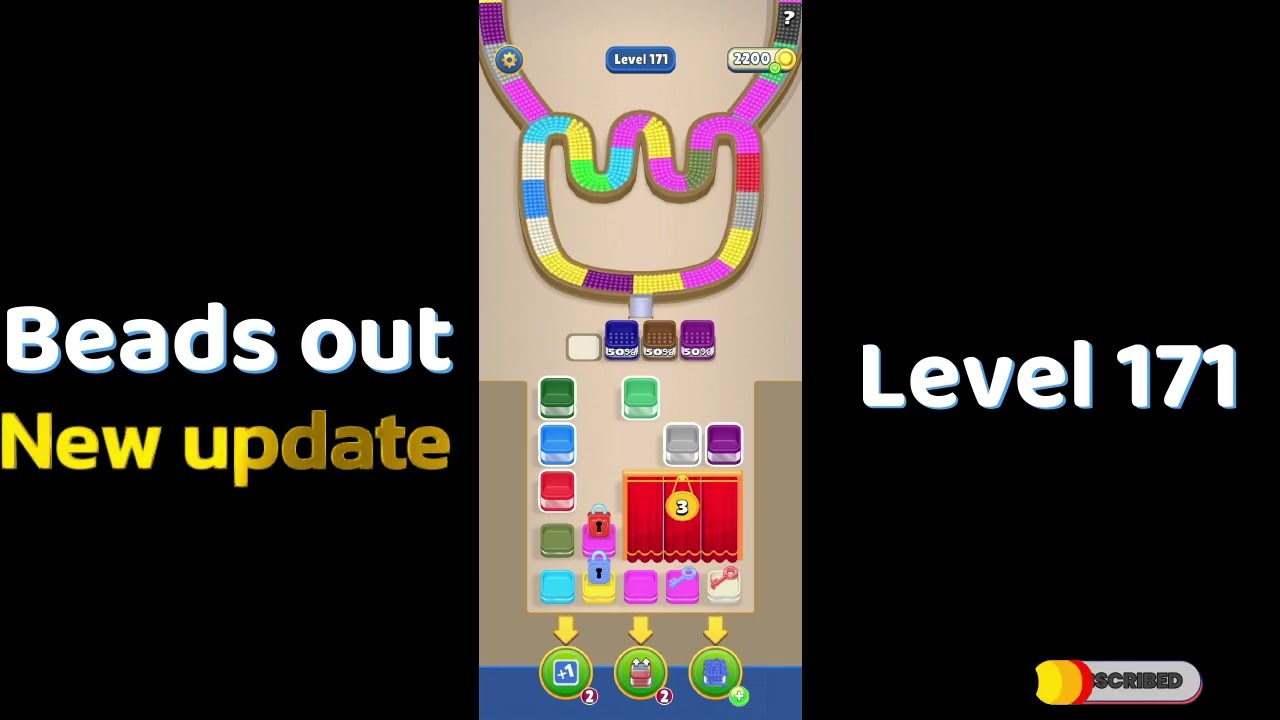
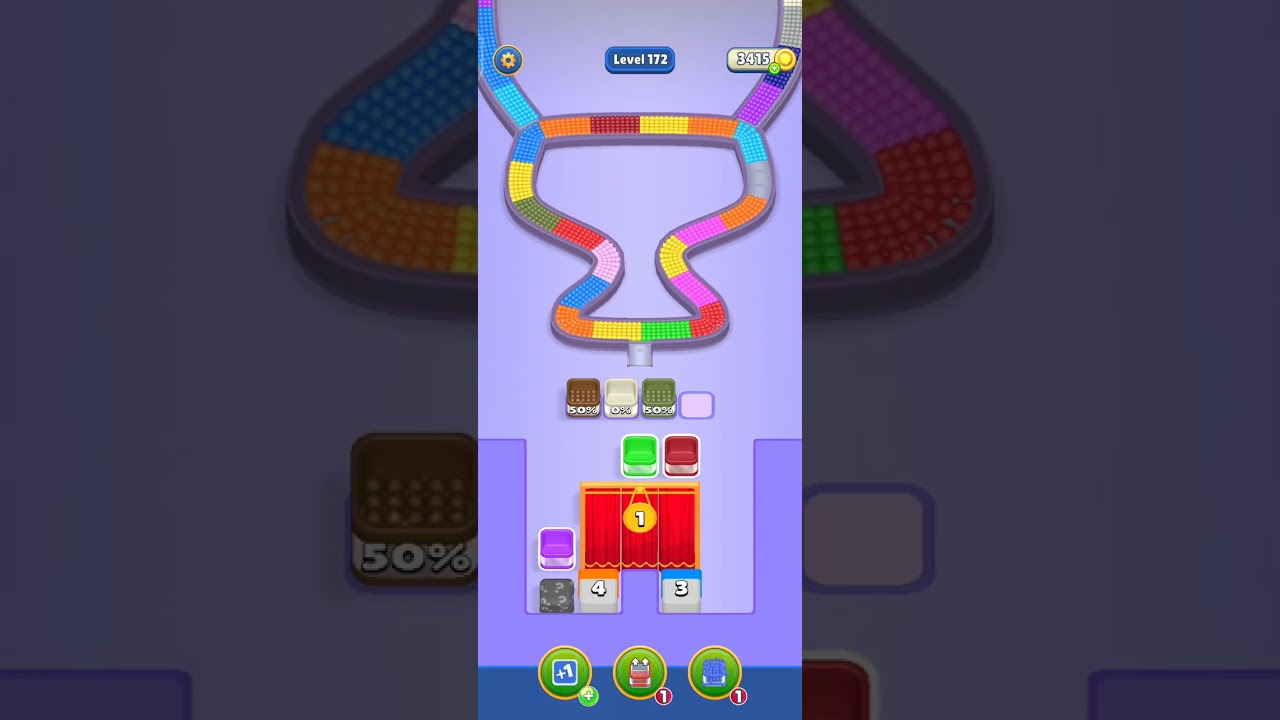
Share Beads Out Level 170 Guide
Help other players by sharing this walkthrough page.